
Introduction: Why Sharjah Is Becoming a Prime Investment Destination in 2026
If you have been watching the UAE property market closely, you have probably noticed something shifting. Dubai still grabs the headlines with record breaking sales and sky high prices. But more and more smart investors are now turning their attention north to a quieter, more affordable neighbor.

That neighbor is Sharjah.
In 2026, Sharjah is no longer just the place you drive through to get to Dubai. It has become a serious investment destination in its own right. The numbers tell a clear story. Real estate transactions in Sharjah hit AED 65.6 billion for the full year 2025, a massive 64.3% increase compared to the year before. And the momentum has not slowed down. According to the latest data, Sharjah recorded $7.3 billion in real estate transactions during the first half of 2025 alone, with investors from 109 different countries taking part. That is not a fluke. That is a trend.
So what is driving this surge? For starters, Sharjah’s property prices are significantly lower than what you would pay in Dubai. That makes it easier to enter the market and still get strong returns. Investors looking for sharjah property for sale are finding rental yields that often reach 8% to 10%, which beats what most Dubai properties offer. On top of that, the government has been rolling out major infrastructure projects and relaxing foreign ownership laws. Those changes have made a huge difference in how investors see the emirate.
Maybe you have also been looking at options in other emirates. If an apartment for sale in ajman or apartments for sale dubai has been on your radar, you already know that prices vary wildly from one place to the next. Or perhaps you have been checking houses for sale in abu dhabi and wondering how they stack up. Each market has its own strengths. But what makes Sharjah stand out right now is the combination of affordability, strong rental demand, and a government that clearly wants to grow the real estate sector.
This guide is here to give you the data and insights you need to make a smart decision. We will look at the latest market numbers, the areas that are performing best, and what you can expect for property prices in the coming months. Whether you are a first time buyer or an experienced investor, having the right information matters.
If you are also curious about how Dubai’s luxury market compares, you can check out our complete UAE property prices 2026 guide for a broader view of where things stand across the country.
And if you need personalized help whether you are buying, selling, or investing in the UAE, our team is here to help. Reach out for a FREE Dubai Real Estate Consultation with Ayaz Salman to talk through your options and find the right opportunity for your goals.
The Sharjah property market is heating up. Let us make sure you do not miss your chance to get in at the right time.
Understanding Sharjah’s Real Estate Landscape in 2026
To really understand where Sharjah is heading, you need to look at how the market is built today. It is not a single, uniform landscape. Instead, it combines older established communities with a wave of modern off-plan projects that are reshaping the entire emirate.
Established communities still dominate buyer activity. Areas like Al Nahda, Al Majaz, Al Khan, and Muwaileh Commercial have long been popular with families and professionals. These neighborhoods offer built up infrastructure, schools, shopping, and easy access to Dubai. According to recent market data, Al Nahda (Sharjah), Muwaileh Commercial, and Al Majaz are currently the three neighborhoods with the strongest renter demand, driven by commuter access and family friendly amenities. You can see this pattern reflected in the Sharjah real estate market data for October 2025,

which showed Al Sahma, Muweilah Commercial, and Tilal leading in transaction numbers.
But the real story in 2026 is the rise of new master-planned communities. Developments like Aljada, Masaar, and Al Tay Hills are changing how people think about living in Sharjah. These are not just collections of buildings. They are integrated districts with retail, parks, schools, and leisure spaces built right in. Aljada, developed by Arada, is a perfect example. This massive project has become one of the most active sales areas in the entire emirate. The Aljada area guide shows studio apartments starting from AED 440,000 and one-bedroom units from AED 780,000, with rental demand driven heavily by proximity to University City.

These communities are pulling in a new type of buyer: younger professionals, families who want modern amenities, and investors looking for long-term value rather than a quick flip.
Price trends tell an encouraging story for buyers. While Sharjah remains significantly more affordable than Dubai, values have been climbing steadily in freehold zones. Analysts forecast property prices to increase by roughly 3.5% to 5% over the next 12 months, with the median home price currently sitting around AED 895,000. To put that in perspective, villas in prime areas average about AED 600 per square foot, and that figure could reach AED 620 to 630 per square foot by the end of 2026. For investors, the combination of lower entry prices and projected appreciation creates a compelling opportunity.
Who is buying in Sharjah has also changed dramatically. In the past, local Emirati buyers dominated the market. That is no longer the case. During the first half of 2025, investors from 109 different nationalities participated in Sharjah’s real estate market,
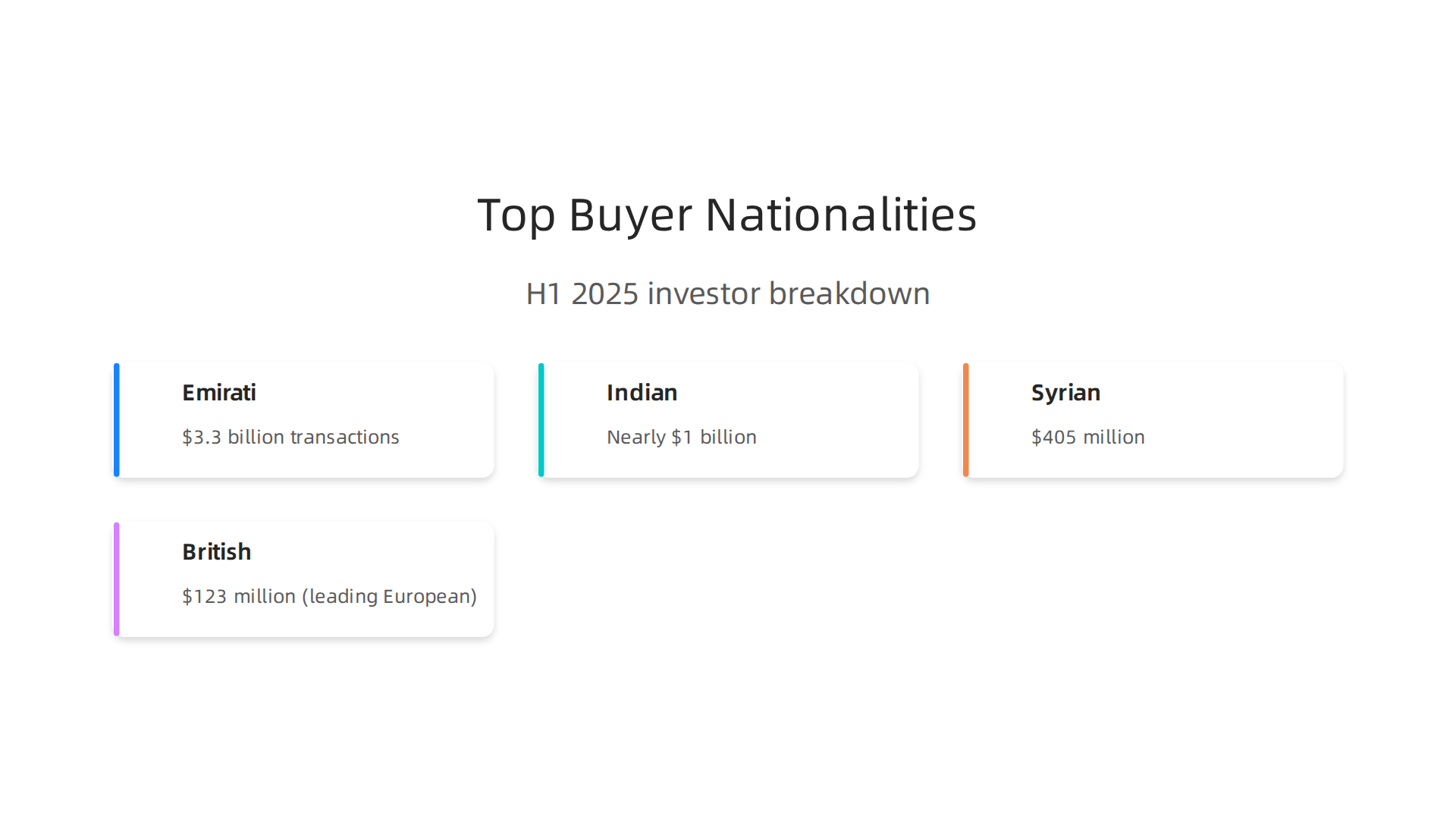
according to the Sharjah real estate transaction report for H1 2025. Emirati investors still led with $3.3 billion in transactions. But Indian buyers came in strong with nearly $1 billion, followed by Syrian investors at $405 million. British investors led the European contingent with $123 million. This growing international demand is no accident. The government has actively relaxed foreign ownership rules, making it easier for non-GCC nationals to buy property in designated areas. The result is a much more diverse buyer pool, which adds stability to the market.
Rental yields remain a major draw for investors. While Dubai’s average gross rental yield sits around 4.87%, Sharjah offers rates that often reach 8% to 10% in the right locations. Neighborhoods like Al Nahda and Al Taawun typically deliver gross rental yields between 5% and 6%, according to the Sharjah rental yield analysis for 2026. For investors focused on income generation, those numbers are hard to ignore.
The overall picture is clear. Sharjah in 2026 is a market with depth.

You have established areas with proven demand, new communities with modern infrastructure, a growing international buyer base, and price growth that is steady without being reckless. That combination is rare in any real estate market.
If you are comparing opportunities across the UAE, understanding how Sharjah stacks up against other emirates is essential. You might also want to look at the Ras Al Khaimah villa market as another fast-growing option worth considering alongside your Sharjah research.
Legal Framework for Foreign Buyers in Sharjah: Freehold Areas and Ownership Rights
So you are an expat or international investor looking at the UAE market. You have probably heard that Dubai allows foreign freehold ownership in designated areas. But what about Sharjah? A few years ago, the answer was complicated. In 2026, it is much simpler.
The Sharjah Executive Council (SEC) made a historic decision in 2022. It removed the old restrictions that limited property ownership for non-GCC nationals. As a result, expats from any nationality can now buy freehold property in specific designated zones. This change has opened the door to a whole new wave of investment. According to a detailed guide on property ownership for foreigners in Sharjah, there are two main ways to own property: freehold ownership (full ownership of both the land and the building) and 100-year leasehold rights (which give you the right to use the property for a century).
The freehold zones are clearly defined. They include major master-planned communities like Aljada, Masaar, Maryam Island, Tilal City, Al Zahia, and Mamsha. You can also find freehold rights in commercial free zones like Sharjah Media City, Hamriyah Free Zone, and Sharjah Airport International Free Zone. If you are looking at an older, non-designated neighborhood, you will likely only have leasehold options. The Reddit community discussion on freehold Sharjah points out a simple rule: if the transfer fee is 4% of the property value, it is freehold. If it is 2%, it is leasehold. That is a quick way to check when you find a property you like.
Recent amendments have also streamlined the registration process. The Sharjah Real Estate Registration Department (SRERD) now handles all transactions with a clear framework. Buyers need to choose a property in an approved area, select a reputable developer, and work with a licensed real estate agent. The transparency has improved significantly. Foreign investment surged by over 62% in the past year, with buyers from 121 nationalities now participating, as reported in the 2026 guide to best areas to buy property in Sharjah.
How does this compare to Dubai? Both emirates offer full freehold ownership in designated zones. The main difference is entry price. In Dubai, a studio apartment in a freehold area like Jumeirah Village Circle or Dubai Marina often starts around AED 500,000 to AED 600,000. In Sharjah, you can find a studio in a freehold community like Aljada from AED 440,000. Villa prices are even more striking. A three-bedroom villa in a well-established Sharjah area can cost around AED 1.2 million to AED 1.8 million. For a similar villa in Dubai, you would pay AED 3 million or more. The protections are similar: you own the land and the property, you can sell or rent it freely, and you can pass it to your heirs under UAE inheritance laws. For careful investors, these lower entry points make sharjah property for sale an attractive alternative.
That said, it pays to work with experts who understand both markets. If you are also considering luxury options in Dubai, you can explore the 2026 Dubai real estate price guide to see how prices compare across emirates.
The bottom line is this: Sharjah now offers a legal framework that is almost as investor-friendly as Dubai’s, but at a fraction of the cost. Foreign buyers have clear rights, transparent rules, and growing options. Whether you are a first-time investor or expanding a portfolio, understanding these rules is your first step to making a confident purchase.
Top Areas for Property Investment in Sharjah: A Neighborhood Breakdown
Now that you understand the legal rules, it is time to look at the actual neighborhoods. Each area in Sharjah offers something different. Some are perfect for families looking for space. Others work better for investors chasing high rental income.

Let us walk through the top communities so you can see which one fits your goals.
Aljada: The Modern Urban Hub
Aljada is the most popular freehold community in Sharjah right now. Built by Arada Developments, this master-planned district sits right at the intersection of E311 and Al Dhaid Road. That location gives you easy access to Dubai while keeping prices much lower than what you would pay across the border.
The community offers studios, one-bedroom, two-bedroom, and three-bedroom apartments. Villas are also available. For buyers looking for sharjah property for sale, Aljada represents a balanced choice between lifestyle and return.
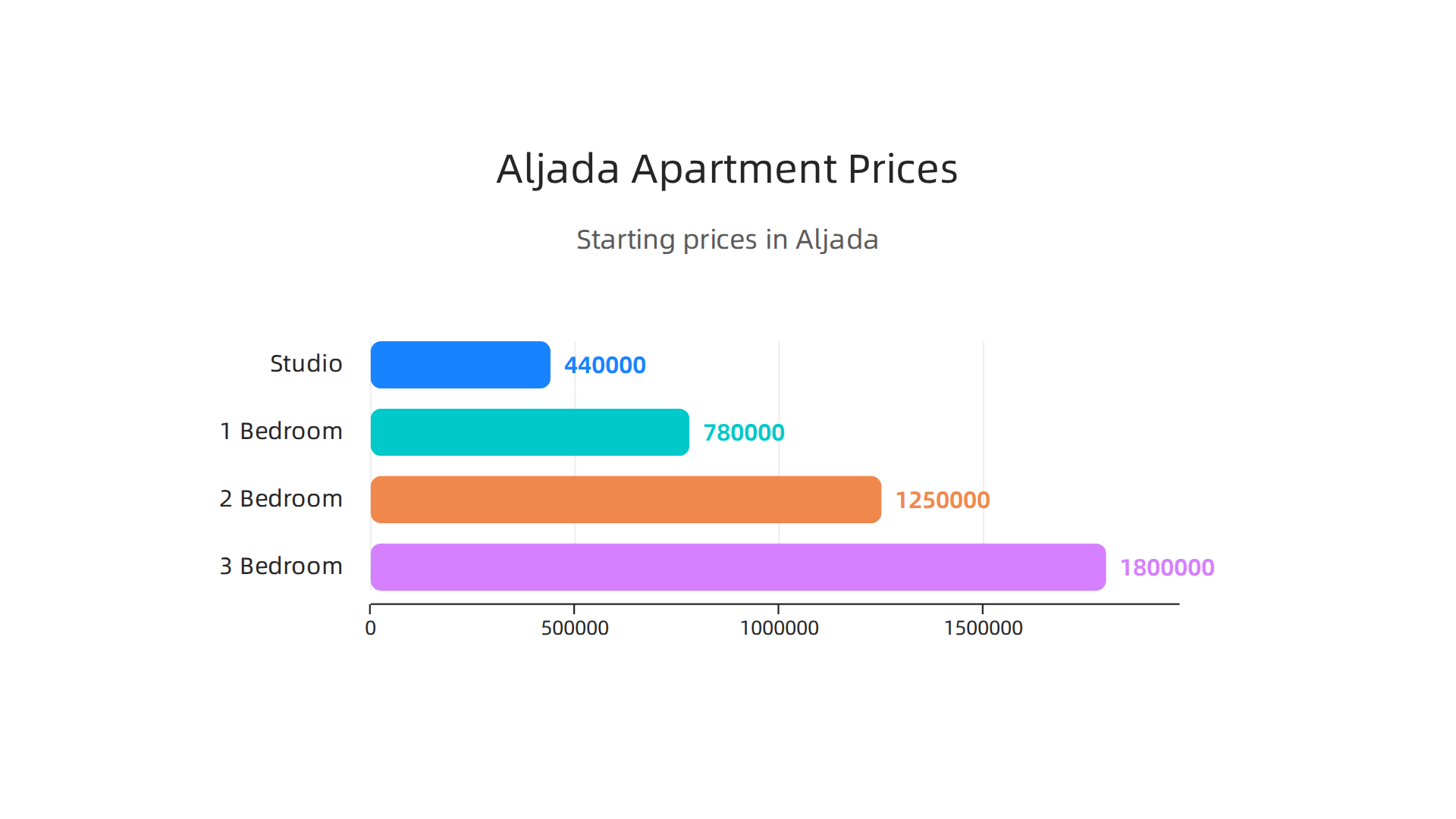
Here are the current starting prices for apartments in Aljada:
| Unit Type | Starting Price (AED) |
|---|---|
| Studio | 440,000 |
| 1 Bedroom | 780,000 |
| 2 Bedroom | 1,250,000 |
| 3 Bedroom | 1,800,000 |
These figures come from a detailed analysis of Aljada property prices and trends. The same source notes that studios rent for around AED 35,000 per year, while three-bedroom units can reach AED 150,000 or more.
What makes Aljada really attractive is the rental yield. Current data shows gross yields between 7.5% and 8.5% for apartments here. That is strong compared to many other UAE markets. The community is also seeing 8% to 12% annual price appreciation as new schools, retail, and leisure spaces open up.
If you prefer newer buildings and walkable amenities, Aljada should be high on your list. The rental demand is driven by proximity to University City and the modern feel of the district.
Tilal City: Affordable Townhouses with Growth Potential
Tilal City is another freehold area worth your attention. It focuses on townhouses at lower price points. This makes it a great option for families who want a ground-level home without paying villa prices.
A three-bedroom townhouse in Tilal City typically starts around AED 1.1 million. That is significantly cheaper than similar properties in Dubai. The community is well-planned with parks, schools, and retail spaces already in place. As more phases complete, the area is expected to see 7% to 10% annual appreciation.
The main draw here is affordability and future growth. Tilal City is one of the areas highlighted in recent market reports as attracting new buyers and tenants. According to a market overview covering Muwaileh, Al Zahia, Aljada, and Tilal City, demand is clustering around these community hubs because of their connectivity to Dubai and competitive pricing.
For investors focused on entry price, Tilal City offers one of the lowest barriers to owning a full townhouse in a freehold zone.
Mleiha and Al Soor: Unique Villas with Cultural Charm
If you want something different from the typical master-planned community, consider Mleiha or Al Soor. Both areas offer villa options with a distinct character.
Mleiha is known for its heritage and desert surroundings. It is further from the city center, but that distance brings peace and space. Villas here tend to be larger and more affordable than in central Sharjah. The area appeals to buyers who value privacy and a slower pace of life.
Al Soor sits closer to the cultural heart of Sharjah. It is near the waterfront and offers older, well-established villa communities. Properties here are often larger plots with mature landscaping. The trade-off is that these areas are not in the new freehold zones. You will likely be looking at leasehold options rather than full freehold ownership.
Still, for buyers who want proximity to museums, galleries, and traditional souks, Al Soor offers a lifestyle that newer communities cannot replicate.
How to Compare These Areas
Every neighborhood serves a different purpose. Aljada is best for modern apartments and strong yields. Tilal City wins on affordability and townhouse living. Mleiha and Al Soor suit those who value character and space over modern amenities.
If you are also curious about how these compare to Dubai investment options, you can read the 2026 Dubai real estate index for smarter property investments. It helps you see the full picture across both emirates.
The key is to match the area to your personal needs. Do you want high rental income right away? Pick Aljada. Do you want a budget-friendly townhouse with room to grow? Look at Tilal City. Do you value heritage and unique surroundings? Explore Mleiha or Al Soor.
Whichever you choose, the numbers show that Sharjah is delivering real value in 2026. The market is mature enough to trust, but still affordable enough to enter without breaking the bank.
Investment Performance: Rental Yields and Capital Appreciation in Sharjah
Now you know which neighborhoods to look at. But the real question is: how do these properties perform as investments? Let’s dig into the rental yields and price growth numbers for Sharjah in 2026.
Rental Yields: How Sharjah Stacks Up
One of the biggest reasons investors choose Sharjah over other emirates is the rental yield. Sharjah properties often deliver yields that beat what you find in Dubai.
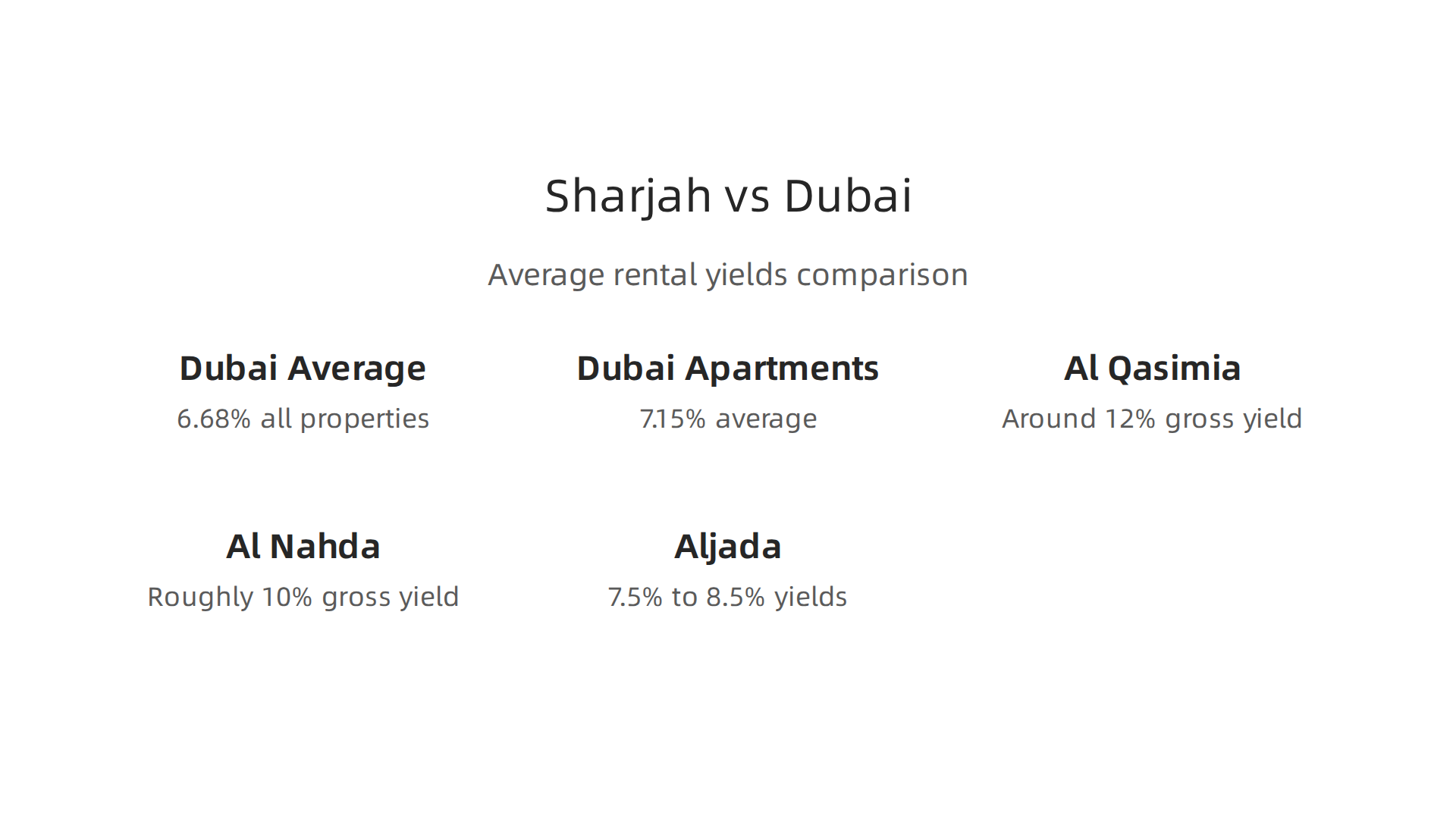
According to the latest data from Engel & Völkers, the average rental yield in Dubai is 6.68% across all property types, with apartments averaging 7.15%. In Sharjah, the picture is even better. Neighborhoods like Al Qasimia deliver gross yields around 12%, while Al Nahda comes in at roughly 10%. Even in popular freehold communities like Aljada, yields range from 7.5% to 8.5%.
These numbers come from a detailed Sharjah neighborhood yield analysis for 2026.
The same report shows that older value apartments in central Sharjah can yield 8% to 10%, while premium waterfront units on Maryam Island still manage 6% to 7%.
Why does this matter? Higher yields mean faster payback on your investment. If you buy a studio in Aljada for AED 440,000 and rent it for AED 35,000 per year, that is nearly an 8% return before expenses. Compare that to a similar property in Dubai, where yields for many popular communities hover around 5% to 7%. For a more detailed comparison of how Dubai prices stack up, check out the 2026 Dubai real estate price guide for luxury villa buyers.
Capital Appreciation: Steady and Rising
Price growth in Sharjah has been steady, especially in the newly developed freehold zones. Market forecasts for 2026 predict property prices will increase by 3.5% to 5% over the next 12 months. That may not sound huge, but when combined with high rental yields, the total return becomes very attractive.
Areas like Aljada and Tilal City have seen annual appreciation of 8% to 12% in recent years as new amenities open and demand grows. Even more mature neighborhoods like Al Majaz saw some premium towers rise by over 50% year over year during the 2024-2025 boom.
The latest Sharjah real estate forecast also notes that office rents are projected to rise by about 15% in 2026 due to supply shortages in prime areas. This shows that demand is spreading across both residential and commercial sectors.
Record Market Activity Confirms the Trend
If you need a sign that Sharjah’s market is strong, look at the transaction numbers. In the first half of 2025, real estate transactions in Sharjah hit $7.3 billion. That is a 48.1% jump compared to the same period in 2024. Investors from 109 different nationalities participated, with Indian and European buyers leading the way.
January 2026 continued this momentum. Total transaction value reached AED 9.3 billion, up 34.8% from January 2025. The Sharjah property market index tracks these numbers and shows the top gross rental yield across the emirate at 7.07%.
Long-Term Outlook: Infrastructure Drives Growth
Sharjah is investing heavily in new infrastructure. Projects like the Sharjah Art District, new transport links, and expanded freehold zones are making the emirate more attractive to both residents and investors. These developments support long-term appreciation and keep demand high.
For investors, the message is clear: Sharjah offers a rare combination of high rental yields, steady price growth, and affordable entry prices. If you are also considering Dubai as part of your strategy, you can get a FREE Dubai Real Estate Consultation to discuss your options.
But for pure investment performance in 2026, Sharjah is hard to beat.
How to Buy Property in Sharjah: A Step-by-Step Guide for International Investors
Okay, so you know the numbers look great and you have your eye on a neighborhood. But how do you actually buy a sharjah property for sale? The good news is the process is straightforward. For international buyers, it usually takes 4 to 8 weeks from your first viewing to getting the keys. Here is exactly how it works in 2026.
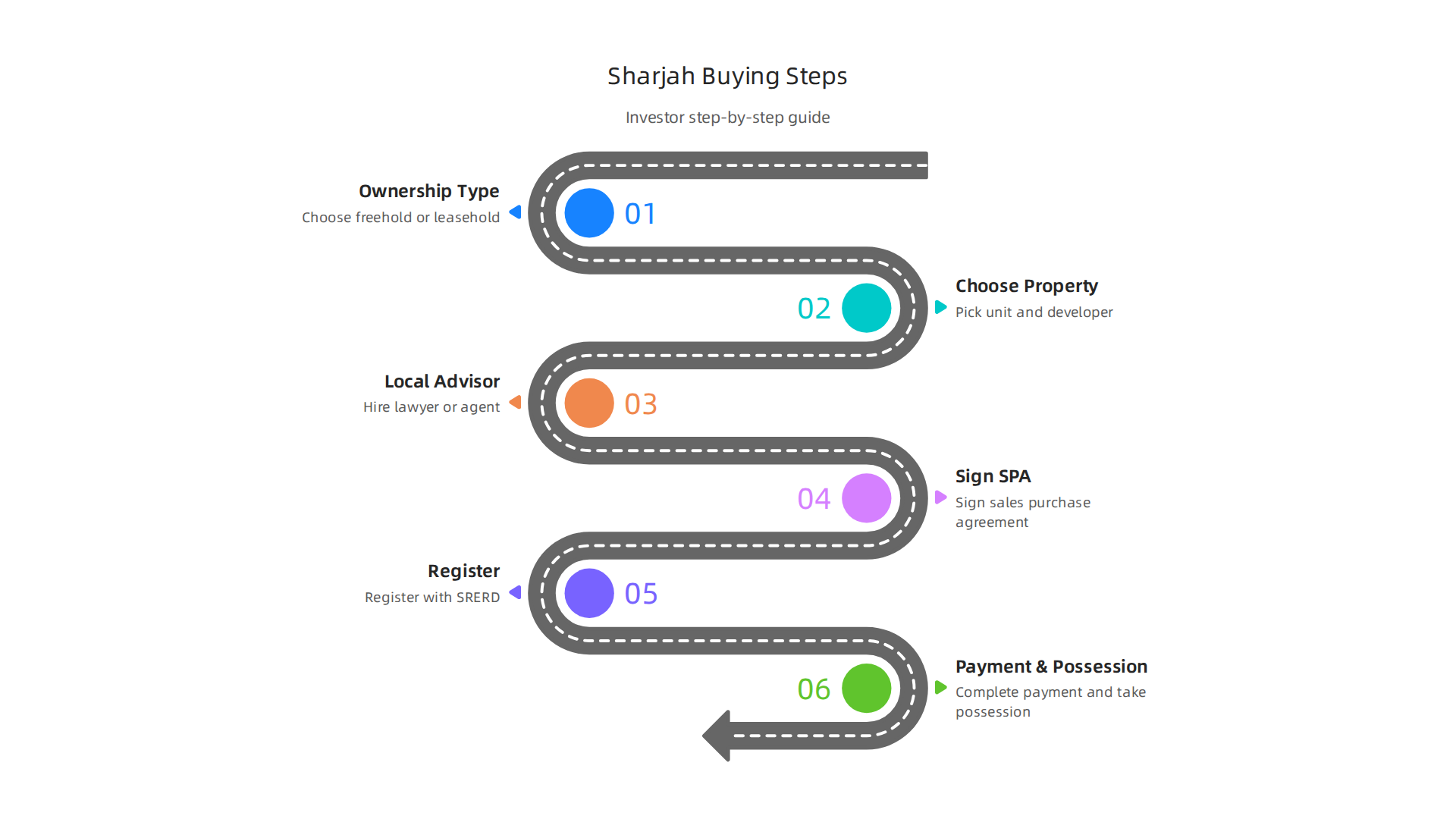
Step 1: Choose the Right Ownership Type
Before you start looking at listings, you need to know what you can buy. Not every property in Sharjah is available to foreigners. You have two main options:
- Freehold ownership: You own the property and the land. This is only allowed in designated freehold zones like Aljada, Maryam Island, Tilal City, and Al Zahia. This is the best choice for long-term investment.
- 100-year leasehold: You get a renewable leasehold for up to 100 years. This option is available throughout Sharjah and gives you the right to use and benefit from the property.
The easiest way to tell the difference? If the government charges a 4% land department fee, it is a freehold property. A 2% fee means it is leasehold. Always ask your agent upfront. For a full breakdown of which areas are open to foreign buyers, check out this guide on property ownership for foreigners in Sharjah.
Step 2: Pick Your Property and Developer
Once you know which ownership type works for you, start looking at specific properties. Focus on freehold communities for the best investment potential. Stick with well-known developers who have a track record of delivering quality projects on time. If you are considering luxury options elsewhere in the UAE, you can learn more about buying property in the UAE as a broader reference.
Step 3: Hire a Local Real Estate Advisor
This step matters a lot. A good agent with Sharjah expertise can save you time, money, and headaches. They handle due diligence, verify that the property is freehold, and check the developer’s reputation. They will also help you negotiate the price and navigate the paperwork. Do not skip this step.
Step 4: Sign the Sale and Purchase Agreement (SPA)
Once you agree on a price, you sign the SPA. This is a legally binding contract between you and the seller. It includes the payment schedule, handover date, and any conditions. A 10% deposit is standard. Make sure you read every clause before signing.
Step 5: Register the Property with SRERD
The final step is registration. You submit the signed SPA, your passport copy, and proof of payment to the Sharjah Real Estate Registration Department (SRERD). They process the transfer and issue the title deed in your name. The registration fee is typically 2% for leasehold and 4% for freehold properties. The whole registration process usually takes a few days.
Step 6: Complete Payment and Take Possession
After registration, you pay the remaining balance. For off-plan properties, this follows the payment plan in your SPA. For ready properties, you pay the full amount. Once all payments clear, you get the keys. Congratulations.
That is it. With a good advisor and a clear plan, buying a sharjah property for sale in 2026 is a smooth process. Just remember to confirm the ownership type first, work with trusted professionals, and follow each step carefully.
Future Developments and Infrastructure Projects Shaping Sharjah’s Real Estate
Sharjah is not standing still. In 2026, the emirate is rolling out major projects that make owning a sharjah property for sale even more attractive.

These developments are boosting property values and making daily life better for residents.
Aljada Expansion and New Communities
Aljada is already one of Sharjah’s most popular freehold areas. But it keeps growing. The Central Hub, a major retail and entertainment district within Aljada, is expected to open soon. This creates a sort of new downtown effect for the area. Properties near the hub could see annual appreciation of 5% to 8% as these amenities come online, according to local market reports.
Other master-planned communities like Masaar and Al Tay Hills are also expanding. Masaar is a unique forest community that has been selling out fast. Al Tay Hills is adding new family-friendly infrastructure. These new districts are doing more than just adding homes. They are attracting families and professionals who want a better lifestyle. In fact, communities like Aljada and Masaar are seeing more families and long-term investors, not just cost-driven buyers, as noted in recent coverage of new master-planned communities driving growth in Sharjah.
New roads and better connectivity to Dubai are also helping. The E311 and Al Dhaid Road intersection near Aljada makes commuting easier. As these communities mature, rents in surrounding areas are expected to rise by 5% to 15%.
Sharjah Research Technology and Innovation Park
This project is a big deal for the emirate’s economy. The Sharjah Research Technology and Innovation Park (SRTIP) is designed to attract tech companies, startups, and research institutions. As more businesses set up there, demand for nearby housing grows. That means more potential tenants and buyers for your investment. Areas close to the park are likely to see steady rental demand from professionals working in the tech and innovation sectors.
Better Healthcare, Education, and Retail
Sharjah is also investing in the things that make a city livable. New hospitals, schools, and shopping centers are opening across the emirate. University City continues to attract students and faculty, which drives rental demand in communities like Aljada. Families are moving to Sharjah because they get more space for their money compared to Dubai, plus access to good schools and healthcare.
Properties here are roughly 40% cheaper than similar units in Dubai, which makes them a smart choice for investors looking for value. If you want a wider view of how UAE property prices compare across the emirates, this detailed 2026 UAE property price guide offers helpful benchmarks.
What This Means for You
These infrastructure projects are not just nice to have. They directly affect how much your property is worth and how much rent you can charge. When you buy a sharjah property for sale in one of these growing communities, you are betting on a future that is being built right now. And if Dubai is also on your radar, you can connect with Ayaz Salman for a free Dubai real estate consultation to explore options there too.
Summary
Sharjah has emerged in 2026 as a compelling, lower-cost alternative to Dubai, combining strong transaction volumes, rising international demand, and attractive rental yields. This article explains the drivers behind the surge—affordability, relaxed foreign ownership rules, new master-planned communities (Aljada, Tilal City, Masaar), and significant infrastructure and economic projects—then breaks down where to buy, what returns to expect, and how the legal framework for foreigners now works. You will find concrete price benchmarks (studio from AED 440,000 in Aljada; median home ~AED 895,000), yield ranges (often 7–10%, with hotspots up to 12%), and a practical 6-step buying process that covers ownership types, SPA, registration fees, and timelines. By the end you will know which neighbourhoods match different goals (income vs long-term growth), how to verify freehold status, and what infrastructure and market trends will shape Sharjah property values going forward.