
Let’s be honest. Comparing global city real estate prices as a high net worth investor can feel like a full time job.

You want clarity on global city real estate prices, but every market tells a different story.
In 2026, lists from Savills show traditional hubs like Monaco, Hong Kong, and London still command top dollar. A single square foot in a prime London borough can cost more than a car.
Then you look at the Dubai property market. The value per square meter, especially in brand new master communities, is striking.
For example, Palm Jebel Ali luxury villas are drawing serious attention from global buyers. If you are wondering how to navigate this, you should read this guide on how to find a trusted Dubai real estate broker for your luxury villa purchase.
But Dubai is not just about lower entry prices. The Dubai and real estate landscape in 2026 is maturing fast. Regulations are stronger. Handovers are happening. It is a very different picture from even five years ago. Plus, Abu Dhabi real estate offers its own distinct set of opportunities for those looking to buy property across the UAE.
This article takes a data driven approach. We will look at the latest 2026 figures for major global cities and put them side by side with what is happening in Dubai.
By the end, you will know exactly where Dubai stands. And if you are ready to take the next step in a specific community like Palm Jebel Ali, you can book a free consultation with Ayaz Salman to get direct, expert guidance on the ground.
Let’s get started.
How Global Luxury Real Estate Prices Compare Among Major Cities in 2026
Now let’s get into the numbers that really matter. In 2026, the gap between luxury markets around the world is clearer than ever. If you are tracking global city real estate prices, you will see that the usual suspects still lead the pack, but some cities are catching up fast.
London stays near the top. According to the Office for National Statistics, the average home in Kensington and Chelsea sold for around £680,000 in March 2026. That is more than double the UK average of £329,000. For luxury properties, the price per square foot in prime areas like Mayfair goes much higher, with Statista tracking ultra prime figures that start in the thousands.
Across Asia, competition is fierce. Global Property Guide’s 2026 data shows Hong Kong and Singapore still command some of the highest prices per square meter in the world. A standard luxury apartment in Hong Kong can cost well over $50,000 per square meter. Singapore is not far behind, with tight supply keeping values high.
Then there is New York. Manhattan luxury properties hover around $2,500 to $3,000 per square foot for top tier condos. The Wald Real Estate list of the 25 most expensive homes globally in 2026 shows that traditional power cities still dominate the ultra luxury segment.
But here is where the story gets interesting. The Dubai property market offers a different kind of value. Prime areas in Dubai cost significantly less per square meter than London, Hong Kong, or New York. Yet the growth trajectory is hard to ignore. Dubai luxury real estate saw strong year over year gains in 2026, driven by new master communities and strong demand from international buyers.
Year over year growth rates vary by city. In the UK, agreed sales in March 2026 averaged £345.64 per square foot, up 2% from the previous year, as shown by UK Property Market Stats. That is steady but not explosive. In Dubai, luxury property prices have risen at a faster clip, especially in sought after waterfront communities.
What is driving these differences? Several factors stand out:
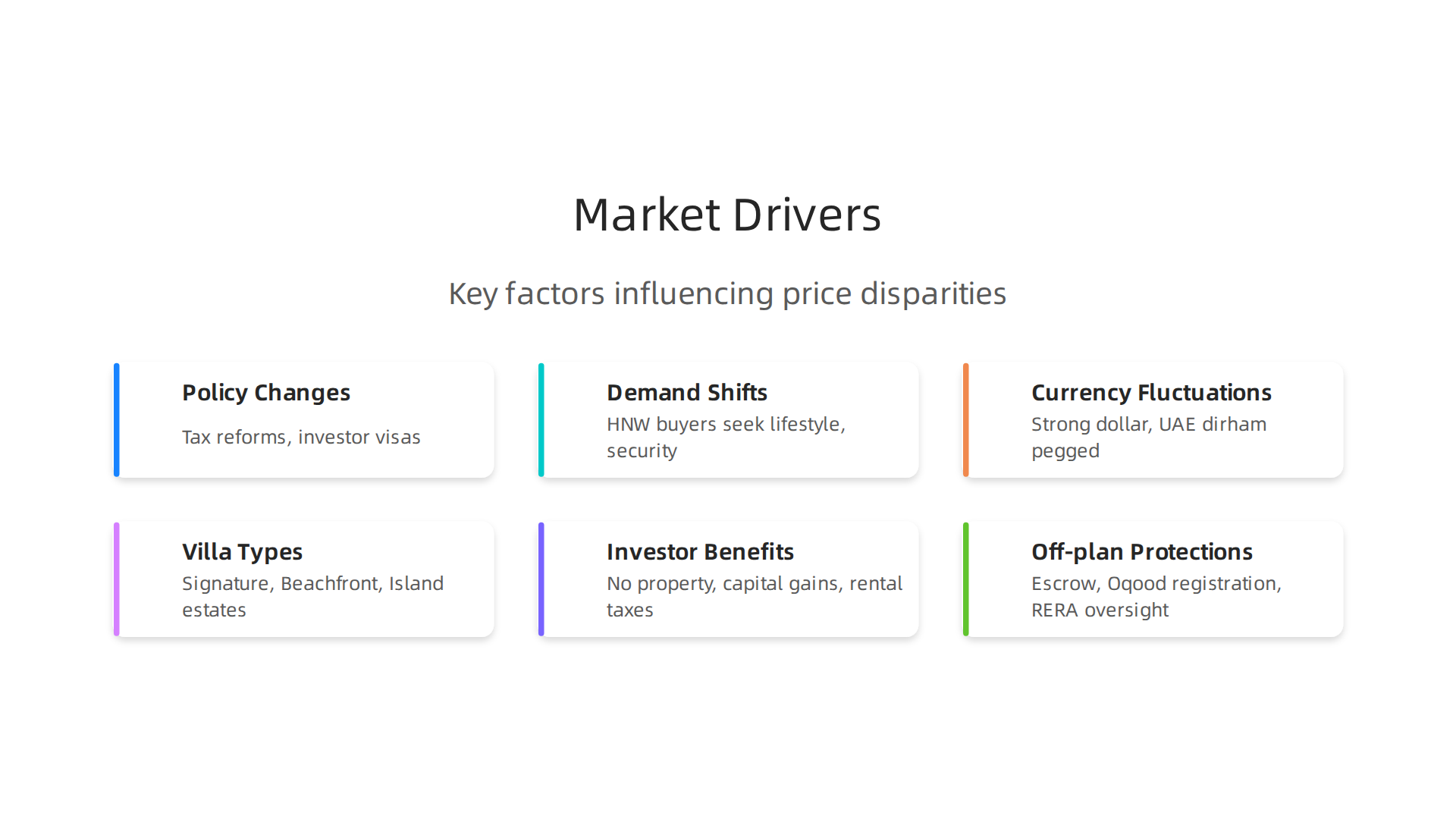
- Policy changes. Tax reforms in the UK and other European cities have cooled some markets. Dubai’s investor friendly visa policies keep demand high.
- Demand shifts. More high net worth buyers are looking for lifestyle and security. Dubai offers both in a sunny location.
- Currency fluctuations. A strong dollar makes US properties more expensive for foreign buyers. The UAE dirham is pegged to the dollar, but the overall value proposition remains strong.
For anyone serious about buying property in 2026, these comparisons matter. If you want to learn more about how to play the Dubai market, check out our guide on Dubai luxury real estate investment strategies for high net worth individuals.
Ready to see how Dubai fits into your portfolio? Book a free consultation with Ayaz Salman to get expert advice on the ground.
Dubai’s Positioning in the Global Luxury Real Estate Market
So where does Dubai fit in all of this? The numbers tell a pretty clear story.
While London, Hong Kong, and New York still sit at the top of the price chart, Dubai offers something those legacy cities cannot match. A much lower entry point for the same level of luxury.
We are talking about prime areas like Palm Jumeirah and Dubai Marina. In these locations, you can pick up a waterfront apartment or villa for a fraction of what you would pay in Mayfair or Manhattan. According to the Dubai Housing Market 2026 report, the price gap is still wide. And that gap matters. It means your money goes further here.
And the market is not standing still. Luxury real estate in Dubai is expected to remain strong throughout 2026. Analysts predict a 5% to 8% price appreciation for the year, according to Sands of Wealth. That is a slower pace than the boom years of 2024 and 2025, but it is still solid growth. It shows a market that is maturing, not crashing.
High net worth buyers are spending heavily in places like Meydan and Golf areas, as detailed by Dubai Real Estate Trends 2026. And the absorption rates in prime communities are impressive. Properties in Palm Jebel Ali and similar exclusive areas are being snapped up quickly. If you want to understand which specific villa communities are drawing the most attention, take a look at our guide to Palm Jebel Ali luxury villas and why Dubai investors are buying in 2026.
What makes Dubai different from those legacy hubs? A few key factors stand out.
Tax free environment. No property tax. No capital gains tax. No inheritance tax. That is a massive advantage over cities where taxes eat into your returns year after year.
Golden visa program. The UAE offers long term residency to property investors. This gives you stability and peace of mind. Other cities do not offer anything close to this.
Investor friendly regulations. The government actively supports the real estate market. Rules are clear. Transactions are transparent. And the process for foreign buyers is straightforward.
The UAE Real Estate Outlook 2026 from Khaleej Times confirms that analysts expect a dual track market. Prime and ultra luxury segments will stay strong. That means top tier properties will keep their value and grow.
For anyone serious about buying property in 2026, Dubai is worth a hard look. It offers world class luxury without the world class price tag. And the growth story is not over yet.
Ready to explore your options? Book a free consultation with Ayaz Salman to learn how Dubai fits into your investment strategy.
Palm Jebel Ali: The Next Frontier for Ultra-Luxury Investment
So you have seen how Dubai stacks up against global city real estate prices. But here is the thing the smartest buyers in 2026 are watching closely. Palm Jebel Ali is coming. And it is not just a repeat of Palm Jumeirah. It is bigger, bolder, and more exclusive.
Think of it this way. Palm Jumeirah put Dubai on the map. Palm Jebel Ali is the map being redrawn. The master plan shows a palm island that is nearly twice the size of its older sibling. More beachfront. More privacy. And a design that prioritizes ultra-luxury from day one.
Right now, in mid-2026, the construction is moving fast. According to the Palm Observer, active development is underway with villa contracts, marine works, and stormwater infrastructure already in place. The first villa handovers are expected around 2027 to 2028, but the early buying window is open now. And it is closing fast.
What kind of homes are we talking about? You have three main villa types:
- Signature villas – large, custom designed homes with generous plots
- Beachfront mansions – direct access to the sand and sea
- Lagoon villas – set around internal waterways for a waterfront feel from every angle
Most are 5 to 7 bedroom layouts. Starting prices hover around AED 18.1 million, which is about USD 4.9 million, based on the latest phase launched by Nakheel. That is a serious number. But when you compare it to what a similar beachfront property costs on Palm Jumeirah, the value becomes clear.
Here is the comparison that matters. Palm Jumeirah already has years of appreciation baked in. Prime villas there can cost AED 4,000 to AED 6,000 per square meter depending on location. Palm Jebel Ali, being brand new, offers a lower entry price per square meter right now. But analysts expect that gap to narrow quickly as the development completes. Reports show 700 homes already sold in the early phases. That demand tells you the market sees the potential.
Why does this matter for someone looking to buy property in Dubai? Simple. Getting in early on a project of this scale has historically meant stronger appreciation. The dubai property market for ultra-luxury is not slowing down. And Palm Jebel Ali gives you a rare chance to own something before it fully matures.
If you want to compare this opportunity to other top communities, take a look at our analysis of Emirates Hills houses for sale vs. Palm Jebel Ali. It shows how these two exclusive areas stack up against each other.
And if you are serious about securing a villa in this next frontier, do not wait. The best plots are going first. Book a free consultation with Ayaz Salman to discuss how Palm Jebel Ali fits into your investment plan.
Villa Types and Pricing at Palm Jebel Ali: What You Need to Know
Let us get into the specifics. Because when you are looking at global city real estate prices, the details make the difference. And Palm Jebel Ali has more variety than you might expect.
The development offers three main categories of homes. But each one serves a different buyer. Here is how they break down:
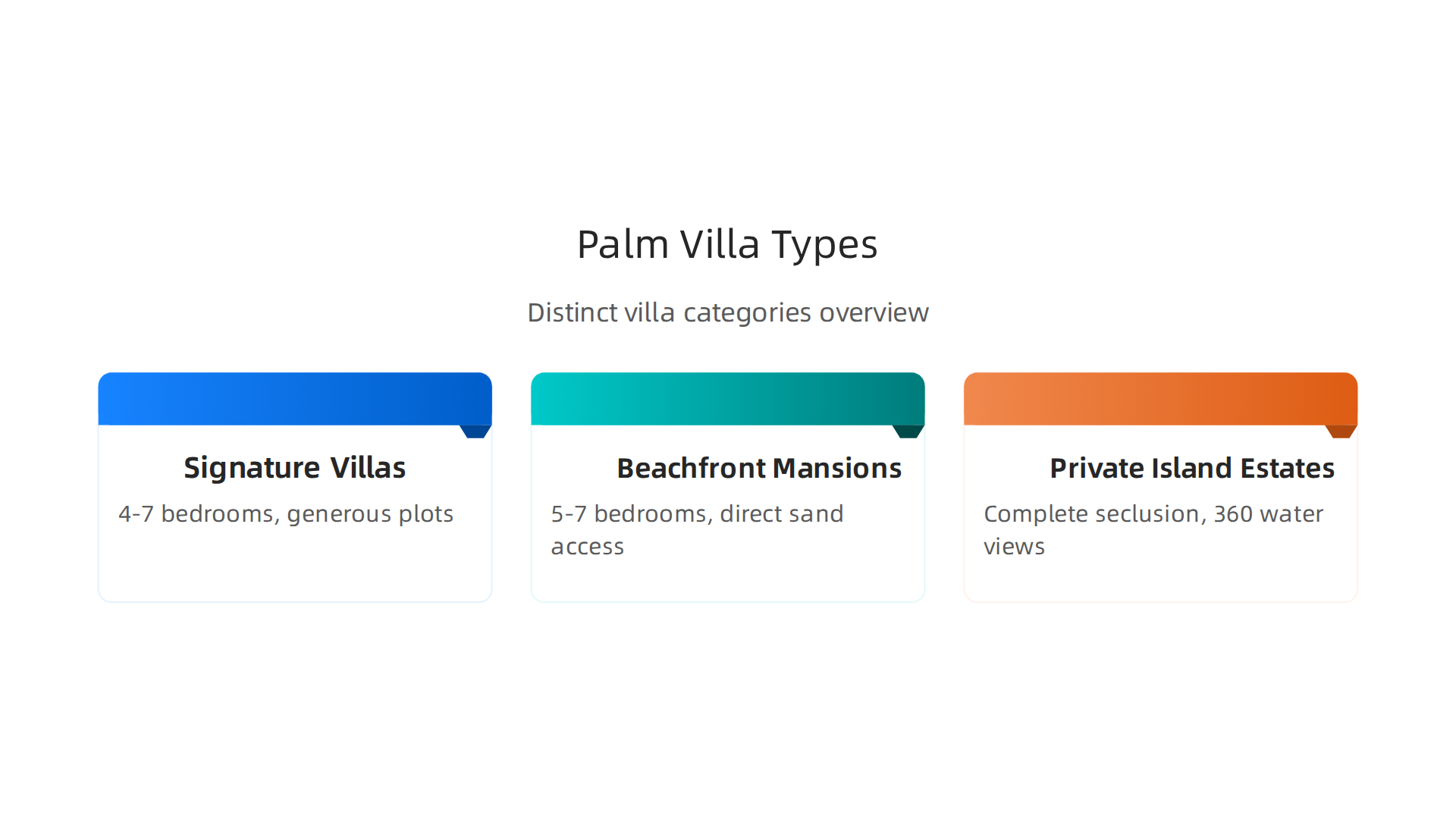
Signature Villas (4 to 7 bedrooms)
These are the entry point into Palm Jebel Ali. They sit on generous plots with modern architecture and private gardens. Think of them as the ideal home for a family that wants space, privacy, and direct access to the community’s amenities. Most of these villas offer internal layouts that maximize natural light and outdoor living.
Beachfront Mansions (5 to 7 bedrooms)
This is where things get serious. These properties sit right on the sand. You step out of your living room onto the beach. The plots are larger, the designs are more custom, and the price reflects that premium location. If you want true waterfront living, this is the category to focus on.
Private Island Estates
Here is the option you do not hear about as often. A small number of ultra-exclusive villas sit on their own private islands within the Palm Jebel Ali development. These are the crown jewels. Complete seclusion. 360-degree water views. And a price tag that matches. According to the Palm Observer, active development includes marine works that make these estates possible.
Now let us talk numbers.
The latest phase launched by Nakheel shows starting prices around AED 18.1 million, which is about USD 4.9 million. But that is just the starting point. When you add premiums for direct water frontage, larger plots, or custom architectural finishes, the total cost can climb significantly. Some of the beachfront mansions and island estates cross into the AED 30 million to AED 50 million range depending on size and position.
Here is what you need to know about how Nakheel is releasing these homes. The strategy is phased. They do not dump all villas on the market at once. Instead, they release specific clusters in controlled phases. This keeps demand high and prices stable. According to reports, 700 homes have already been sold in the early phases. That tells you the market is moving fast.
If you want to secure a villa at Palm Jebel Ali, you need to act during these early phases. The best plots with the best water views go first. Waiting until later phases means paying higher prices for less desirable locations.
For a deeper look at how this compares to other luxury communities in Dubai, check out our guide on buying Dubai real estate for international buyers. It covers the complete process for foreign investors.
Investing in the dubai property market right now means understanding timing. And Palm Jebel Ali’s phased release is designed to reward early movers.
So where do you start? You need someone who knows the phased release schedule, the best plots, and how to secure a unit before it hits the open market. That is where professional guidance makes a real difference.
Book a free consultation with Ayaz Salman to learn which villa type fits your goals and how to secure early allocation in the next phase.
Investment Returns: Rental Yields and Capital Appreciation in Dubai
So you are thinking about buying a luxury villa at Palm Jebel Ali. But you want to know one thing. Where will your money grow the most? Let us talk real numbers.
Here is the short version. Dubai luxury villas give you rental yields of 4% to 7% per year. Compare that to other global cities like New York, London, or Hong Kong, where luxury property yields sit at just 2% to 4%. That is a big difference. According to Engel & Völkers, the average rental yield across all Dubai properties in 2026 is 6.68%, with villas and apartments performing well depending on the area. Luxury communities like Arabian Ranches have shown around 4.90% ROI, while beachfront and premium villa areas often hit higher numbers.
Why does Dubai beat other cities? Simple. High demand from renters, low property taxes, and a strong flow of international professionals and investors. The market here rewards owners with better cash flow every year.
Now let us look at capital appreciation. This is the growth in your property’s value over time. Over the last ten years, prime Dubai properties have climbed steadily. In 2025, luxury areas saw price gains between 4% and 16%, according to Gulf News. Palm Jebel Ali, being a brand new waterfront development, has even more upside potential because early buyers get in at the ground floor. As the community builds out and Nakheel adds amenities, values tend to rise.
What about the future? For 2026 to 2030, the outlook is strong. Dubai keeps attracting wealthy residents and investors. The supply of luxury villas is carefully controlled through phased releases, which keeps prices from crashing. And Palm Jebel Ali itself has already sold 700 homes in early phases, showing huge buyer appetite. The demand drivers are clear: a safe haven for global capital, a tax-free lifestyle, and world-class infrastructure. For a deeper dive into why investors are buying right now, read our guide on why Dubai investors are buying Palm Jebel Ali luxury villas in 2026.
When you put rental yields and appreciation together, Dubai luxury villas give you double growth. You earn cash every year from rent, and your property value goes up over time. That is a powerful combination.
Ready to start your investment journey? The best opportunities go to early movers. Book your free Dubai real estate consultation with Ayaz Salman and get expert advice on securing a villa with strong return potential.
Legal, Tax, and Ownership Structures for International Investors
You have seen the numbers on rental yields and capital appreciation. They look good. But maybe you are asking yourself a different question. How does an international buyer actually buy a villa here? Is it complicated? Do you need a local partner? What about taxes?
Here is the good news. Dubai makes it simple for foreigners to own property. In designated areas like Palm Jebel Ali, international buyers get full freehold ownership.

That means you own the land and the villa completely. No local sponsor needed. No complicated workarounds. Just clear, straightforward ownership.
The rules are set by the Dubai Land Department, and they apply equally to buyers from any country. Whether you are from the UK, India, China, or the US, the process is the same. For a step-by-step walkthrough, check out our guide on how international buyers can purchase luxury villas in Palm Jebel Ali.
Now let us talk about the part that surprises most investors. Taxes. Or rather, the lack of them.
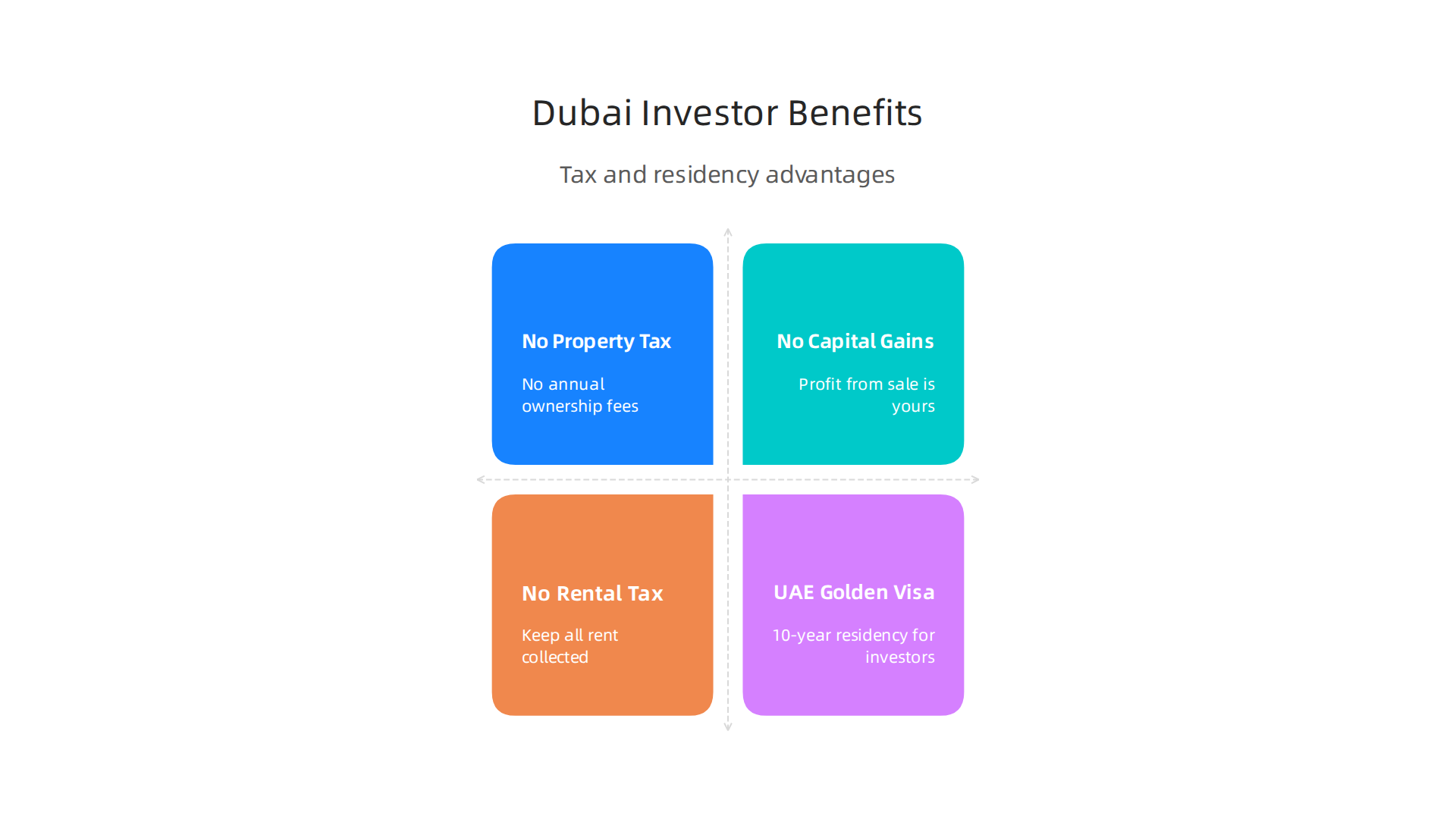
No property tax. In many global cities, you pay 1% to 3% of your property value every year just for the privilege of owning it. Not in Dubai.
No capital gains tax. When you sell your villa for a profit later, that profit is yours. The government does not take a cut.
No rental income tax. The money your tenants pay you each year? You keep all of it.
Compare that to global city real estate prices in places like London or New York, where taxes can eat up a big chunk of your returns. The Dubai property market stands out because of this tax-free structure. It is one of the main reasons why high-net-worth investors keep flowing into Dubai and real estate year after year.
And here is another huge perk. The UAE Golden Visa. If you invest at least AED 2 million in property, you qualify for a 10-year renewable residency visa. That covers you and your family. You can live in Dubai, work from anywhere, and enjoy all the benefits of residency.
This visa program is a game changer for international investors. It gives you stability and long-term access to one of the fastest growing cities in the world. The application process is straightforward, especially when you work with an experienced advisor who handles the paperwork.
Want to explore your options? Book your free Dubai real estate consultation with Ayaz Salman to learn exactly how the ownership and visa process works for your situation.
Mitigating Risks: Developer Reputation, Project Timelines, and Market Cycles
That tax-free structure sounds amazing, right? But here is the honest truth. No investment comes without some risk. Even in Dubai.
The biggest risk with off-plan luxury villas is the unknown. Will the developer deliver on time? Will the finished product match the renderings? What if the market shifts before handover?
These are real questions. And smart investors answer them before signing anything.
Do your homework on the developer
This is rule number one. Not all developers are created equal. Some have delivered dozens of projects on time with exceptional quality. Others have a history of delays and compromises.
So how do you check?
Start by looking at the developer’s track record. How many projects have they completed? Were those projects handed over on schedule? What do previous buyers say about the quality? You can find this information through the Real Estate Regulatory Authority, or RERA, which keeps records of developer performance.
Working with a trusted advisor also helps. If you want to know exactly what questions to ask, read our guide on how to find a trusted Dubai real estate broker for your luxury villa purchase.
Regulatory protections you should know about
Dubai actually has strong protections for off-plan buyers. Here is what is in place:
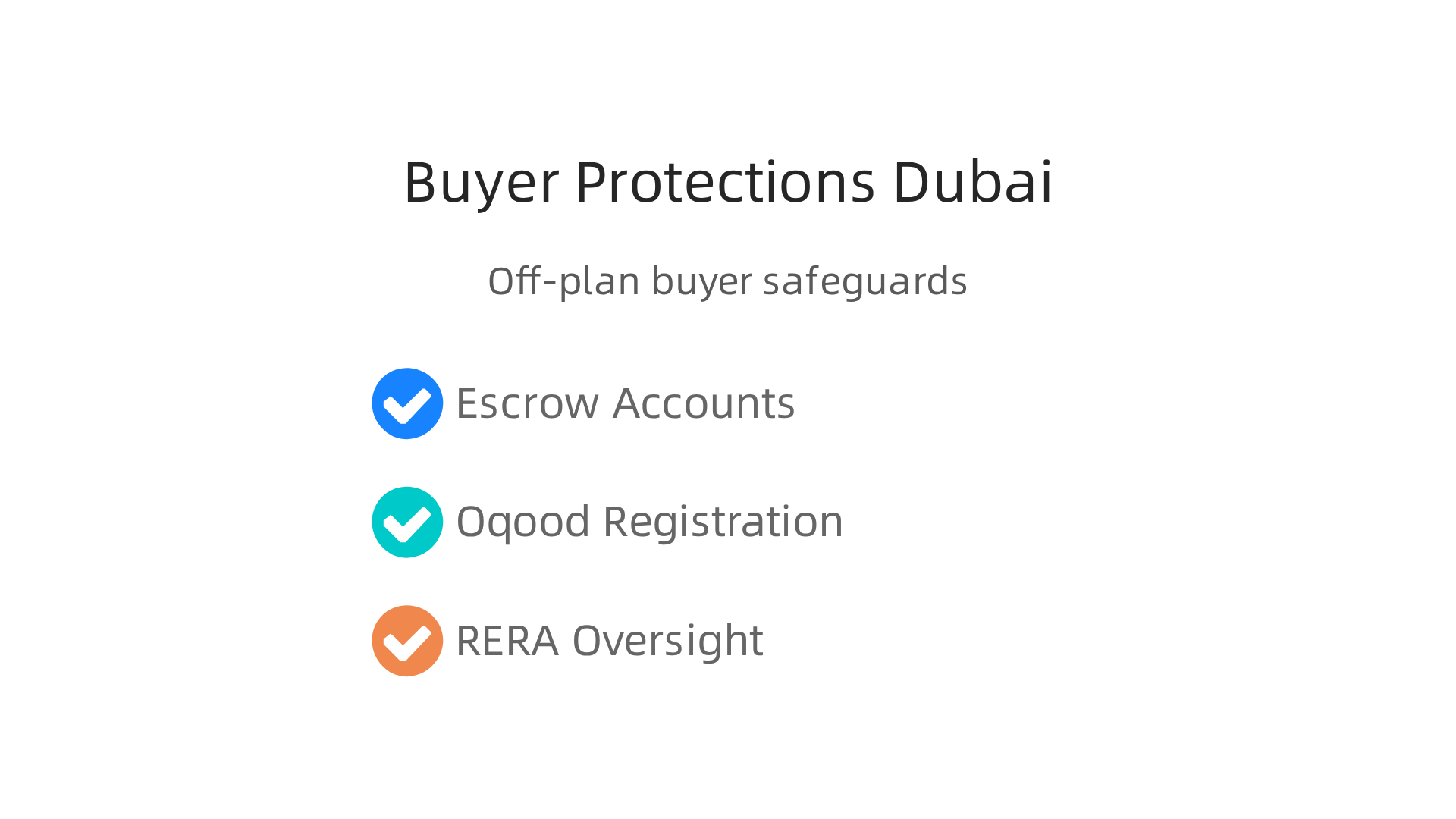
Escrow accounts. Your payments do not go directly to the developer. They go into a regulated escrow account managed by a bank. The developer can only withdraw money as construction reaches specific milestones. This protects your funds if the project stalls famproperties.
Oqood registration. Within 60 days of buying off-plan, your purchase gets registered with the Dubai Land Department through the Oqood system. This officially links you to that specific unit and protects your ownership rights.
RERA oversight. The Real Estate Regulatory Authority monitors all developers and projects. They set the rules and enforce them. If a developer breaks the rules, RERA can step in.
Strategies to lower your risk
Even with protections, you can take extra steps to protect yourself.
Use phased payments. Do not pay everything upfront. Most off-plan payment plans let you pay in stages as construction progresses. This aligns your financial risk with the developer’s progress.
Diversify your portfolio. If you are a serious investor, do not put all your money into one off-plan project. Spread it across different developers, locations, and project stages. That way, one delay does not sink your whole strategy velviquerealty.
Work with licensed advisors. An experienced advisor knows which developers have strong reputations and which projects are progressing well. They can also spot red flags you might miss. For a full overview of how to build your support system, check out our guide on how to build your luxury real estate Dubai team for a smart villa investment.
The bottom line
Off-plan investing in Dubai carries some risk. But with the right developer, strong regulatory protections, and a smart payment strategy, those risks become manageable. The key is doing your research before you commit.

Want personalized advice on your specific situation? Book your free Dubai real estate consultation with Ayaz Salman to discuss how to choose the right developer and project for your portfolio.
Future Outlook: Dubai’s Luxury Real Estate Market Through 2030
You have managed the risks. You have chosen the right developer. Now, what does the road ahead actually look like?
The short answer is promising. The long answer is even better.
Here is what the experts are watching as we move toward 2030.
Supply and demand are on your side
Luxury villas in Dubai are rare by design. There is only so much beachfront land. Only so many gated communities. And the number of high-net-worth individuals looking for a second home or investment property keeps rising.
This imbalance keeps prices stable. While overall global city real estate prices can swing wildly, Dubai’s luxury segment benefits from a built-in scarcity premium. According to recent forecasts, price appreciation in 2026 is expected to hover around 5% to 8%, cooling from the 12% to 22% growth of 2024 but still healthy Sands of Wealth. Analysts describe a dual-track market: prime and ultra-luxury remain buoyant, while other segments get more competitive Khaleej Times.
Big infrastructure projects boost value
The Dubai Urban Plan 2040 is reshaping the city. New airports, expanded metro lines, and entertainment districts are coming online. These projects directly affect property values in surrounding areas.
Take emerging micro-markets like Deira Islands and Dubai Creek. These zones are attracting serious attention from investors who want to buy property before prices fully reflect the new infrastructure. The same thing happened in Dubai Marina and Jumeirah Village Circle years ago. Early movers won big.
Expert predictions for 2026 and beyond
Luxury real estate continues to lead. Wealthy buyers are spending heavily in locations like Meydan and Golf areas Miva. Annual price growth in the luxury segment is forecast at roughly 5% to 7% for 2026, with potential for acceleration as supply constraints tighten Aylar Properties.
If you want to understand how these trends affect specific communities like Palm Jebel Ali, read our deep dive on Palm Jebel Ali luxury villas: why Dubai investors are buying in 2026.
The bottom line through 2030
The Dubai property market is entering a mature growth phase. Not the wild spikes of the past, but steady, reliable appreciation backed by real demand and government planning. For long-term investors, this is exactly the kind of market that rewards patience.
Want to own a piece of this future? Book your free Dubai real estate consultation with Ayaz Salman to discuss which emerging micro-market fits your goals.
Summary
This article compares 2026 luxury real estate prices across major global cities and explains where Dubai fits into the picture for high net worth buyers. It shows that while legacy markets like London, Hong Kong and New York remain the most expensive, Dubai offers lower entry points for comparable waterfront luxury and a fast-growing appreciation story driven by new master developments. The guide drills into Palm Jebel Ali—its villa types, phased releases, starting prices and why early buyers stand to benefit—while also covering rental yields, tax advantages, and the UAE’s investor‑friendly visa programs. You’ll learn practical steps for international purchase, how to check developer track records, risk‑mitigation tactics such as escrow and phased payments, and what to expect in returns and market direction through 2030. By the end you’ll know where Dubai sits in a global portfolio and what actions to take next if you want to pursue a luxury villa investment.